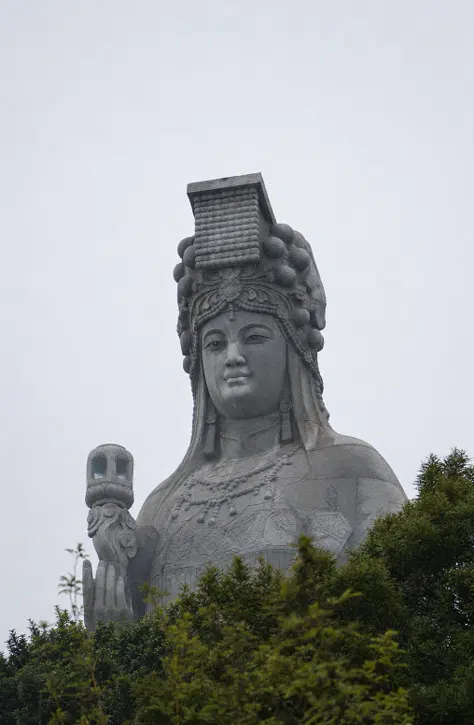
This article examines religion on Nangan Island in Taiwan’s Matsu archipelago as it has been shaped by three overlapping histories: Fujianese migration, Cold War militarization, and heritage tourism. Based on fieldwork conducted in April 2026, it explores how local religious life has been recast as cultural heritage and drawn into wider debates about cross-strait relations. Yet many of the ties connecting Matsu to mainland China are older than these debates and remain rooted in religious and cultural practices that largely follow their own course.