
Adjudicating Heresy: “Sexual Cultivation” and Secular Law in Hong Kong
By Kwan Yuk Sing, 2 March 2026

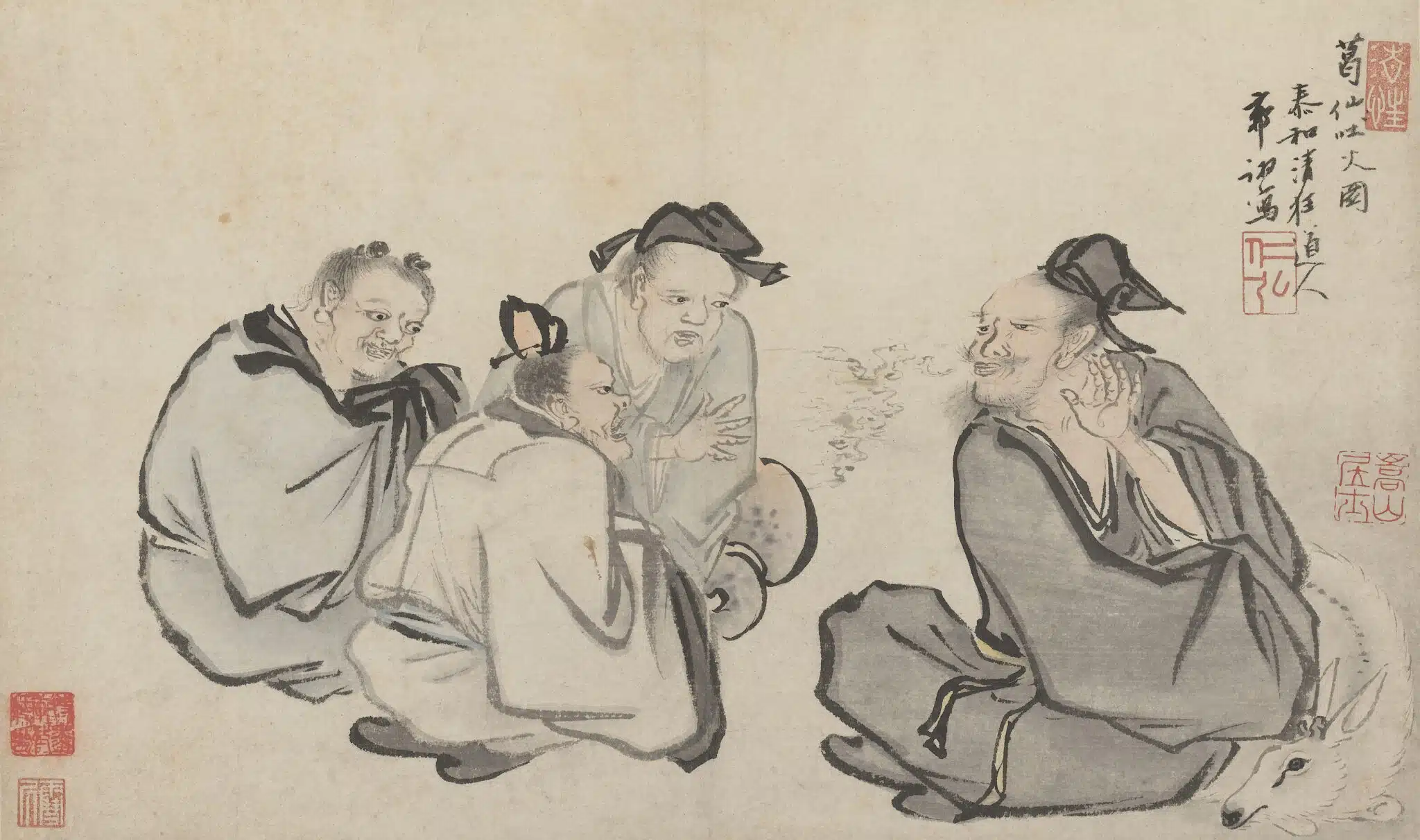
Within Taoism, “sexual cultivation” (性交轉運) refers to a ritual practice that treats sexual intercourse, or a high degree of sexual intimacy, as a means of producing a desired spiritual outcome. Reported aims in past cases include seeking pregnancy or fertility, warding off misfortune and expelling spirits, improving one’s career prospects, or even “transferring” occult power.[1] Typically, the practitioner claims to possess supernatural abilities and asserts that, through sex, he can perform a ritual on behalf of the recipient.
In Hong Kong, this practice has long been associated with con artists who obtain both money and sex through deception. Many members of the public dismiss it as superstition or preying on gullibility; to many Taoist believers, it is condemned as a sinful heterodoxy that corrupts public morals and, more importantly, tarnishes the reputation of Taoism. Related cases in Hong Kong courts frequently result in convictions for offenses such as indecent assault, fraud, or even rape, which tends to corroborate these judgments. In such cases, judges generally characterize the conduct as superstition, deliberate fraud, or improper coercion; in doing so, they exclude “sex for fortune” from the category of “religious ritual” to convict the defendant.
This article argues that Hong Kong courts’ judgments and methods in “sexual cultivation” cases expose the limits of contemporary legal systems when dealing with religion. Hong Kong’s constitutional order, including the Basic Law,[2] is grounded in principles of religious tolerance and pluralism, yet those principles operate with premises and boundaries. In such extreme cases as “sexual cultivation,” those assumptions are pushed to their limits, raising a difficult question: if religious freedom and tolerance have bottom lines, on what basis can a secular court make determinations about spiritual matters?
The Legal Landscape
After the 1997 transfer of sovereignty from Britain to China, Hong Kong retained the common law system inherited from colonial rule.[3] As such, chapter 6 of the Hong Kong Basic Law states:
In matters involving religious freedom and human rights, Hong Kong courts also frequently draw on cases and standards from the European Union, the United States, and the United Kingdom.[5] One influential approach is this: out of respect for freedom of belief, secular courts do not determine whether “religious truth” is correct. Instead, they apply a “sincerity test” to assess whether a defendant’s belief is sincerely held and whether the conduct is protected by constitutional principles.[6] In this way, judges confine themselves to assessing credibility and intent, while avoiding doctrinal determinations that could entangle the court in intra-religious disputes. Trials of “sexual cultivation” cases are unique; however, in that they challenge this principle of non-interference and prod the extremes of the secular legal system of Hong Kong.
The Issue of Expert Witnesses
In 2007, a Hong Kong truck driver, Au Yeung Gwok Fu (歐陽國富), claimed that he possessed “divine power” (神功) and “immortal bones” (仙骨). Using “dual cultivation” (雙修) and “Maoshan rites” (茅山法事) as a pretext, he had sex with a model, whose career was not going well, nine times over the course of eight months. Throughout this period, he claimed that the ritual would not result in pregnancy and that his powers made contraception unnecessary. After their ninth intercourse, to which she reluctantly consented, the victim discovered her pregnancy. Au Yeung blamed the woman for the pregnancy, alleging the incorrect recitation of incantations during intercourse. In response, she reported the matter to the police, leading to Au Yeung’s arrest.[7]
During the trial, the prosecution called on a so-called expert witness: the Secretary General of the Taoist Association Ching Chung Koon (青松觀). Founded in the 1950s, Ching Chung Koon established a foothold in the burial and funeral industries to become one of Hong Kong’s largest Taoist organizations.[8] In his expert witness testimony, the Secretary General confirmed that though there is a mountain called “Maoshan” in China’s Jiangsu province, and several Taoist temples are located in the region, clergy “would not call themselves ‘Maoshan masters,’” and that “Taoist clergy would not require people to be naked during the course of any rites.”[9] By invoking Taoist authority through this expert witness, the prosecution’s argument was clear: Taoist doctrine contains no such thing as “sexual cultivation,” and the defendant’s claim to be performing “Maoshan rites” was groundless.
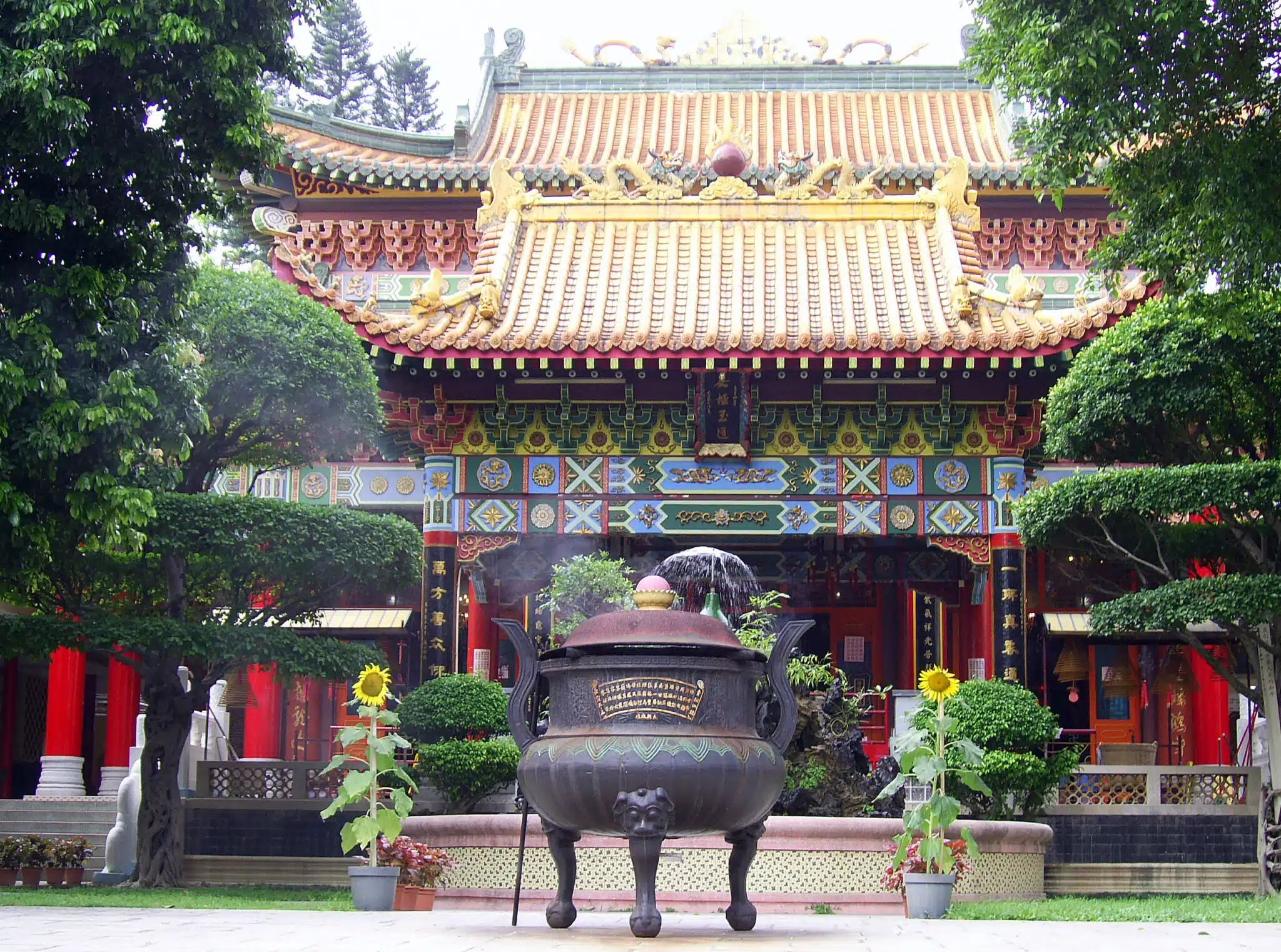
The practice of admitting senior figures in Taoism as expert witnesses is a common strategy for similar cases. In 2021, a Taoist exorcism ritual resulted in the death of a 21-year-old woman with intellectual disabilities. The autopsy found that the woman had been beaten with a blunt instrument and sexually assaulted with an artificial phallus. The Taoist priest, Dunsany Cheung, who also claimed to be of the Maoshan school, attested that the ritual involved “beating the evil spirits out” and “taking the virginity of the spirit in order to weaken its hold.”[10] In 2024, the case went to appeal in Hong Kong’s High Court.
To address the defendant’s claims, prosecutors called on the expert testimony of Lee Yiu-fai (李耀輝), the Abbot of Sik Sik Yuen Wong Tai Sin Temple, one of the most established Taoist institutions in Hong Kong and, coincidentally, a member of the Chief Executive Election Committee in 2022.[11] Clad in a white Taoist robe, Lee testified that there are no sexual and violent practices in the “proper” Taoist traditions. Moreover, upon reviewing Cheung’s altar (道壇) at the crime scene, he described it as “a complete mess” and “fraudulently superstitious in nature.”[12]
When pressed by defense counsel Trevor Beel, an ethnically white man, about whether he had any ground to arbitrate what is and is not a part of Taoism, Lee’s response was hostile. Lee accused Beel of “mixing heresy into proper Taoism” and asserted that “a westerner knows nothing about Taoism.”[13] Expert witnesses for both cases expressed the same sentiment: that the offending acts were “heretical,” and that mainstream Taoism in Hong Kong does not recognize the offenders as practitioners of their faith.
Even so, introducing an expert witness to explain what is and is not permissible in Taoism is fraught with controversy. While it is logical to familiarize the jury with the basic religious context of the case, the admission of such testimony also invites a troubling set of legal implications.
“Sexual Cultivation” on the Margins of the Pluralistic Taoist Faith
Taoism is not a unified or centrally governed tradition. Rather, it is historically characterized by pluralism, schism, and innumerable competing scriptural interpretations. Scholars of Taoist religion have pointed out that Taoism in China is “less a concrete entity than a dynamic existence, a stage of conflict.”[14] Throughout its long history, cases of elite sects representing “orthodoxy” and suppressing folkloric Taoism as heresy are so numerous that they are the norm rather than the exception.[15] Defining what constitutes “authentic” Taoist practice has long been contested, and often impossible to resolve conclusively.
This contestation extends to the debate over so-called sexual cultivation. Its intellectual roots can be traced to early Chinese scholarship on sexual practices known as fangzhong shu (“techniques within a room,” 房中術), which date back to the Warring States and Qin–Han periods (475–221 BCE).[16] During the Eastern Han period (25–220 AD), elements of fangzhong shu became intertwined with emerging Taoist cosmology and self-cultivation theory. Over time, a variety of Taoist practices developed linking sexual union to spiritual refinement, vitality, and even transcendence. The efficacy and morality of these practices were then debated vigorously for centuries, with controversies persisting into the fourteenth century Ming dynasty.[17]
Like other Taoist rituals that continue today, such as fortune-telling, planchette divination (扶乩), spirit-fright remedies (捉驚) and exorcism (驅邪), historical “sexual cultivation” rituals should be appreciated in the context of the values and issues of their time. For followers, such rituals addressed practical concerns: health, spiritual advancement, and ascension of social status. To modern non-practitioners, however, these rituals are an expression of local culture at best, and superstitious at worst. The practice of “sexual cultivation,” however, is particularly contentious due to its conflict with contemporary values and ethical norms. Whether or not “sexual cultivation” is scripturally recorded or part of the orthodox liturgy is, therefore, outside the bounds of the broader constitutional question.
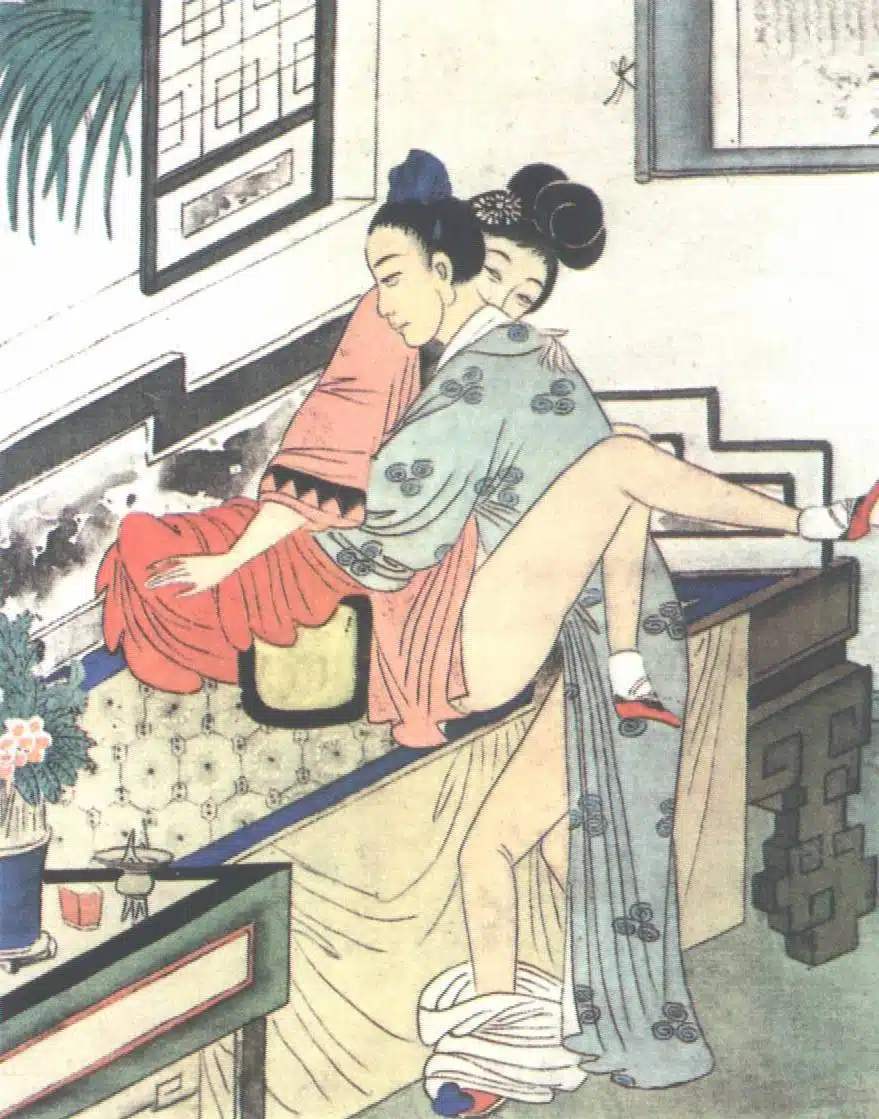
Yet in recent prosecutions involving alleged “sexual cultivation,” the court relied on testimony from a representative of Ching Chung Koon asserting that Taoism contains no rites conducted in nudity, and from the Abbot of Sik Sik Yuen Wong Tai Sin Temple, insisting that no sexual practices exist within “proper” Taoist tradition. This draws the courtroom into Taoism’s own contested boundaries of orthodoxy and heresy, lending secular authority to what are, in fact, intra-religious disputes. In other words, by admitting expert testimony in both “sexual cultivation” cases, the court made assertions about Taoism and privileged the views of specific individuals in ways that exceeded the scope of a secular court. These assertions are irreconcilable with the principle of “non-interference” with the internal affairs of religious organizations under Basic Law.
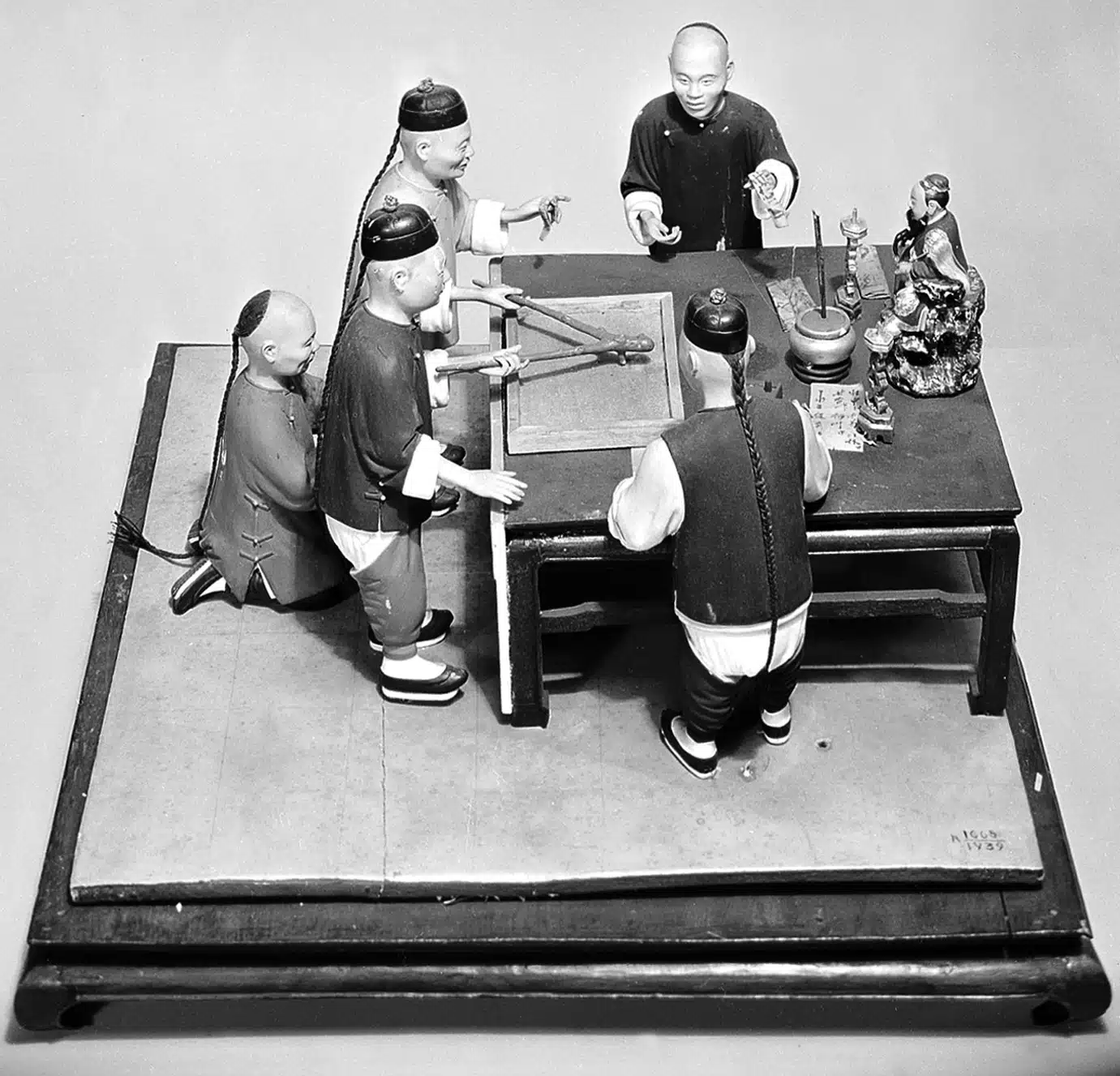
Adjudicating Heresy
In their judgment of the case of Au Yeung, the trial judge wrote:
The language of “heresy and evil cults” reveals that the court approached this case through a predisposed framework of “orthodoxy” and “heresy.” In doing so, the judgment extends beyond assessing evidence of consent on the part of the victim and positions the judge as capable of determining what constitutes “authentic” religion. In essence, from that statement alone, they admitted to conferring an adjudication of heresy in a secular court.
When the case went on appeal in early 2012, the Court of Appeal shifted the focus from broad questions of supernatural claims to a narrower issue about false pretenses. The defendant conceded that the alleged “sexual rite” did not include oral sex. Yet even after the complainant had abandoned her modeling career and become a clerical worker, and no longer needed her fortune to be “turned,” the defendant continued to coerce her into oral sex and intercourse. On that basis, the court concluded that Au Yeung was not acting out of a sincere attempt to change another person’s fortune. Ultimately, the Court of Appeal dismissed the appeal against conviction, though the sentence was reduced from six years and nine months to five years.
From the court’s perspective, where both parties are fully informed, mentally competent, and consenting, the conduct is no different from ordinary sexual relations. The difficulty arises when sex is framed as necessary to “turn one’s fortune.” In such cases, Hong Kong courts tend to infer deception, intimidation, or undue pressure.[19] This inference supports findings of sexual offenses, and leads to prosecutions for sexual assault, rape, or “procuring another to engage in unlawful sexual conduct by false pretenses,” with a relatively high conviction rate.[20]
As legal scholar Chen Jianlin observes, this reasoning generates deeper constitutional concerns:

By prosecuting the case under the section of “Soliciting under false pretense,” the law implicitly characterizes “sexual cultivation” as inherently fraudulent. This choice bears legal and religious implications that do not sit well with the current principles of a secular court in Hong Kong. If sexual acts undertaken for spiritual purposes can be deemed fraudulent once a court finds the underlying belief implausible, what prevents similar reasoning from being extended to other religious practices? Donations and offerings made to deities in Chinese temples in exchange for divine favor, or prosperity teachings in certain Pentecostal congregations, could likewise be reframed as deceptive if a judge concludes that the promised spiritual benefit lacks objective foundation.
Chen’s broader survey of sexual cultivation cases further suggests that Hong Kong judges, in both adjudication and sentencing, often approach such defendants with discernible suspicion. In sentencing remarks, courts frequently describe these practices as nonsense, or even cultic superstition.[22] While such language can reflect moral outrage at exploitative conduct, it also indicates judicial reasoning influenced by judgments about religious plausibility.
These dynamics must be understood against the backdrop of Hong Kong’s legal pluralism, which is shaped by compromises between British common law and Chinese customary traditions but on balance tends to err toward the British side. Marriage in the Hong Kong Basic Law, for instance, is one explicitly based upon the Christian conceptualization of the family, excluding that of the Chinese and Islamic customs.[23] In one case, a judge characterized fortune-telling—described as endemic to Taoist religious life—as “a practice which is dangerous and should be permitted only under controlled conditions.”[24]
In another work concerning the legal regulation of religion and its influence of the “marketplace of faith” in Hong Kong, Chen noted that
What, then, prevents a judge from being “unduly influenced” by their faith? In the Au Yeung case, the trial judge described the defendant as a charlatan, the complainant as “simple-minded,” and that the ritual in question belongs to “heretics and evil cults.” Such language may be necessary for a criminal court, yet when viewed through the lens of custom and spirituality, desire and belief, “sexual cultivation” cases expose a more complex terrain: the intersection between secular law and spiritual belief, in which disputes over harm and consent entangle with intra-religious contests between orthodoxy and heterodoxy.
The jurisprudential challenge, then, is clear: a secular court must protect complainants without positioning itself as an arbiter of doctrinal authenticity. By relying on Taoist institutional representatives to define orthodoxy, and by adopting moralized distinctions between “religion” and “heresy,” the trial court extended beyond the assessment of consent and inducement. It lent state authority to one boundary of Taoist orthodoxy within a tradition historically defined by plurality and internal contestation. Even when the appellate court’s reasoning narrowed the analysis to deception and credibility, the determination of fraud continued to depend implicitly upon judgments about the plausibility of spiritual claims, thereby pushing the limits of secular adjudication.

.jpg#/media/File:Guo_Xu_album_dated_1503_(7).jpg)


